
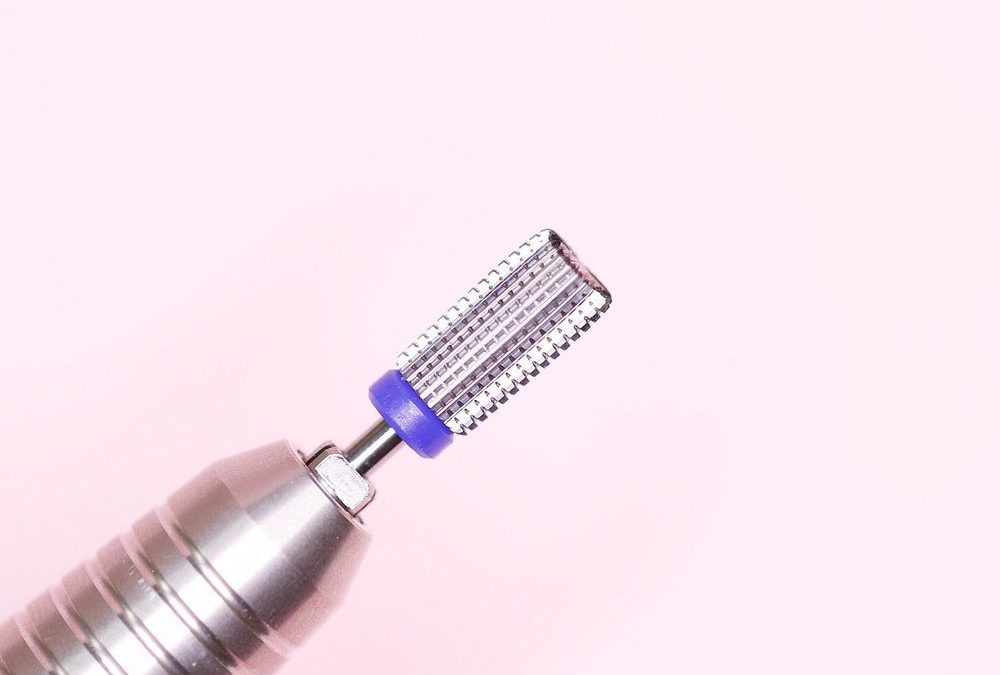
This quick review helps salon managers and DIY pros know exactly when to replace safety barrel bit — the chrome medium-grit Safety Barrel (new) used for shaping acrylic and sealing the cuticle. Read a fast inspection checklist, simple wear signs, how to estimate usable life and a cost-per-service check so replacements are smart and predictable.
At a glance
- Tool: rectangular chrome Safety Barrel (new) — medium grit, visible ridged teeth.
- Primary uses: shaping acrylic, sealing cuticle, removing gel polish.
- Visual cues to watch: rounded edges on teeth, loss of chrome flash, clogged ridges, wobble at mount.
- Basic lifespan estimate: depends on service mix; track hours or services, not calendar days.
- Cost baseline: $10 per bit (price may change) — use cost-per-service math below.
Spot wear quickly: visual and tactile checks
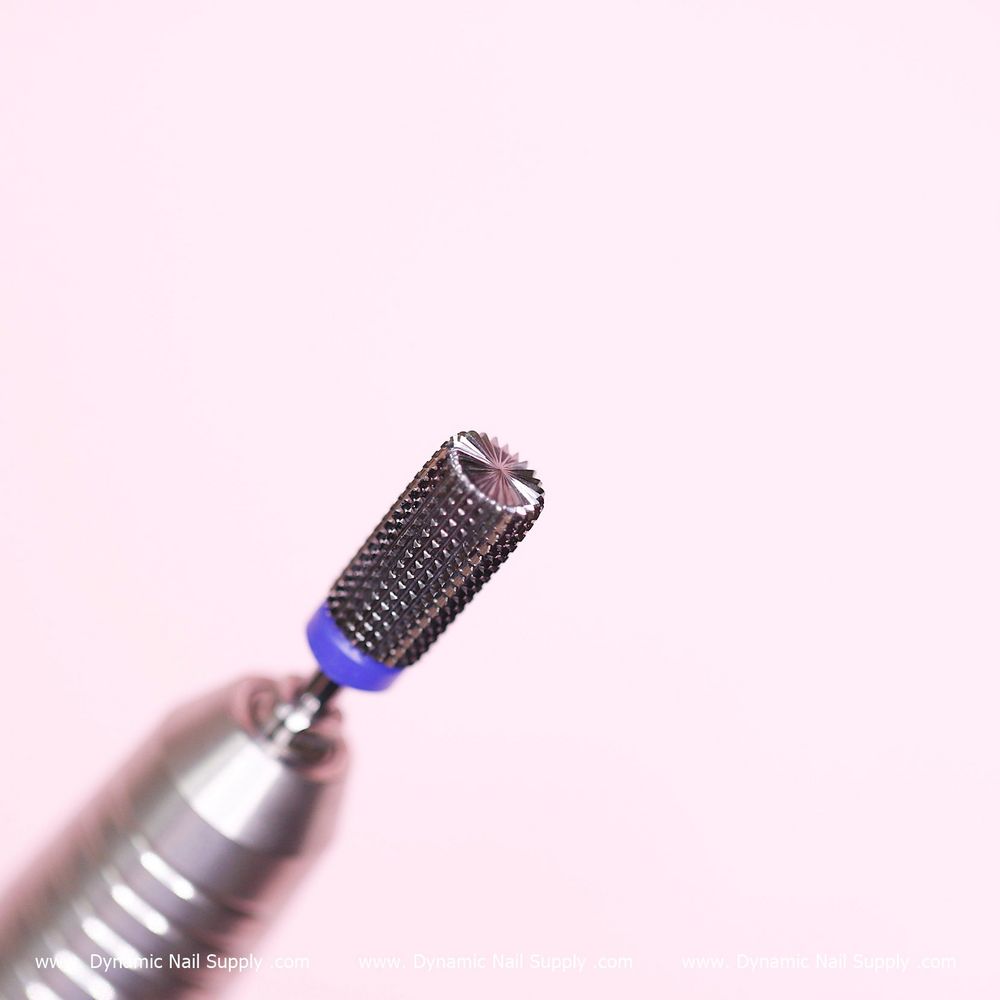
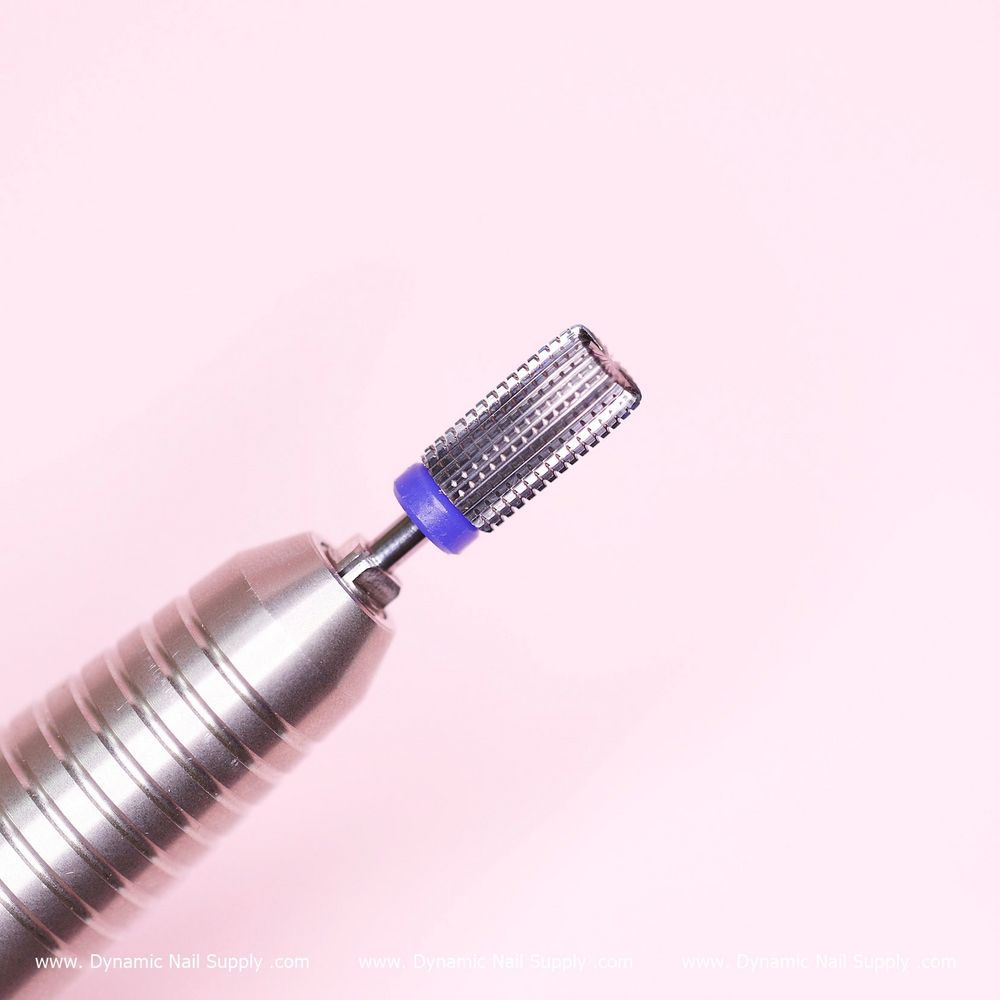
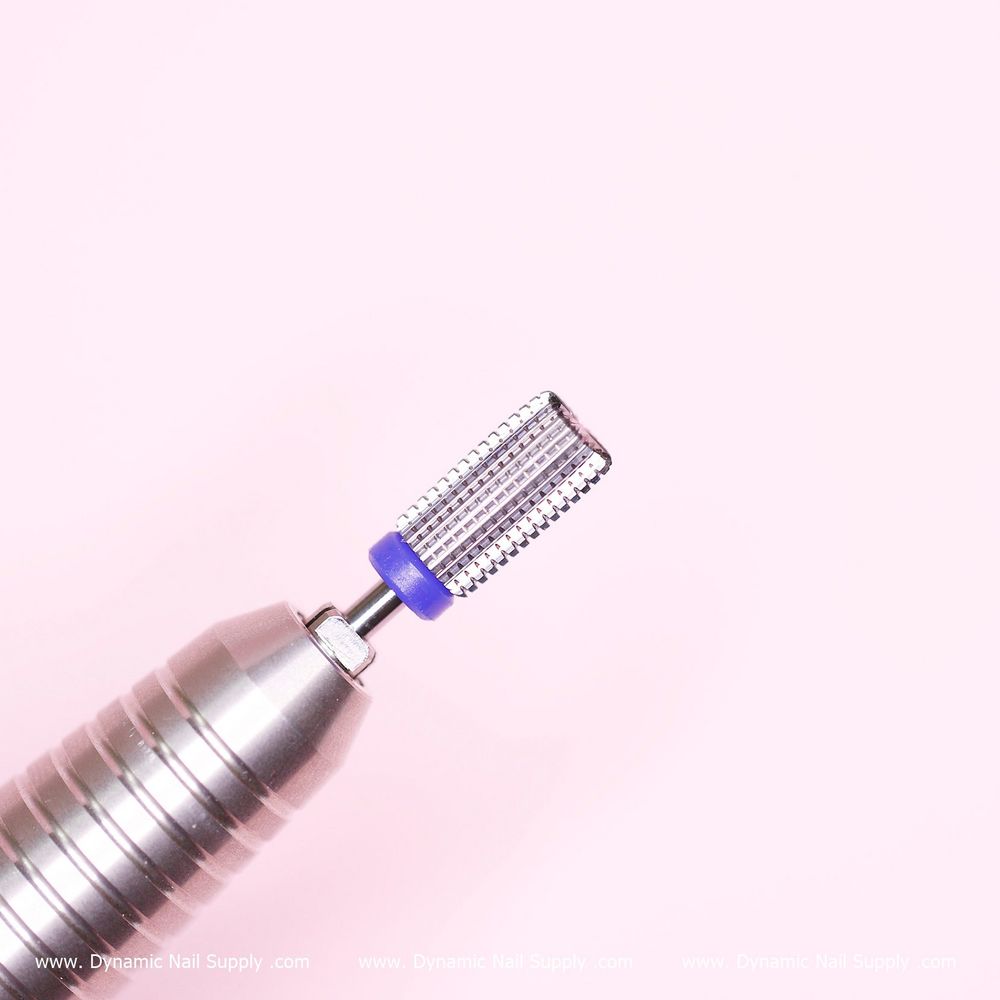
Start with a close visual inspection under bright light. The Safety Barrel (new) shows a chrome metallic finish with clearly ridged medium-grit texture and a small royal-blue ring at the base. Those ridges are the cutting surface. When they lose crisp highlights and begin to appear smooth or flattened, material removal declines.
Run these fast checks before each shift or at rotation points between techs:
- Edge check: inspect the toothed faces for rounded tips. Rounded teeth mean dulling.
- Texture check: if the chrome flash is gone and the ridged pattern looks filled or polished, grit is compromised.
- Mount check: secure fit at the handpiece. Any lateral play or wobble signals time to stop.
- Debris check: clogged grooves reduce cutting. Clean first, then reassess for actual wear.
Common mistake: assuming a bit is fine because it still spins. Dulling often shows before performance drops noticeably; inspect closely.
Estimate usable life: a simple tracking method
A reliable strategy is to log services or hours rather than guess. Create a sheet with columns for bit ID (note the blue ring color and chrome finish), install date, service type, and minutes per service. Typical variables:
- Heavy acrylic filing speeds wear. Shaping thick overlays eats grit faster.
- Gel polish removal is less aggressive but still abrades the ridges over time.
- Technique matters: higher pressure and high RPMs shorten life.
Start with a pilot sample: track one bit through 50 similar services and note the session when cutting time or finish quality worsens. Use that as your baseline. For mixed services, convert to equivalent sessions (for example, two heavy acrylic services = one baseline service for wear accounting).
Cost-per-service: a quick calculation
Use a simple formula to decide replacement timing:
- Total cost of bit ÷ usable service count = cost-per-service.
Example with round numbers: $10 purchase price. If tracked use shows 40 average services before replacement, cost-per-service is $0.25. If performance degrades earlier in heavy use, and the bit lasts 20 services, cost-per-service doubles to $0.50. Track by service type to refine pricing by offering.
Make replacement thresholds part of your inventory policy. For high-volume stations, use shorter service counts; for low-volume teams, allow a longer run only if visual and mounting checks pass.
Maintenance steps that stretch life
Do routine cleaning and gentle debris removal after each use. The chrome barrel reflects light when clean; a dull, filled appearance often clears with proper brushing and an approved cleaning solvent. Always inspect after cleaning — if ridges still appear worn, plan replacement.
- Dry-brush to dislodge acrylic dust from the grooves.
- Avoid aggressive scrubbing that may polish the grit surface.
- Mount check: ensure the blue ring seats properly to prevent vibration.
- Store bits upright in a padded tray to avoid knocks that dent the barrel.
Common mistake: soaking a chrome-finish barrel in harsh chemicals to “clean faster.” That can strip the finish and hide true wear.
When to retire a bit — concrete stop rules
Replace safety barrel bit immediately if any of these occur:
- Visible rounding or flattening across the ridged teeth after cleaning.
- Persistent clogging that cannot be cleared without aggressive methods.
- Mount wobble or uneven rotation in the handpiece.
- Heat build-up during normal technique, suggesting excessive friction from dull edges.
Do not push a bit past these signs. Continued use risks slower services, poor finishes and extra filing steps that cost time.
Bottom line
The pale pastel-pink-background photo details—chrome sheen, ridged medium-grit texture and the small royal-blue ring—are not just stylistic. They are inspection cues. Track services or hours, inspect ridges and mount frequently, clean gently, and set a replacement threshold that balances cost and finish quality. A simple log and the stop rules above keep services consistent and predictable. Consider this Safety Barrel (new) as a scheduler-friendly tool: monitor use, do the checks, and replace when the ridges stop reflecting light. For exact product details and to plan stock, remember the current shelf price and availability at the time of purchase and how Safety Barrel Bit (new) Medium grit fits into your rotation.